The Coconut Chair by George Nelson is a spacious lounge chair with an instantly recognisable shape that makes a striking accent in diverse settings such as lobbies, lounges and waiting areas.
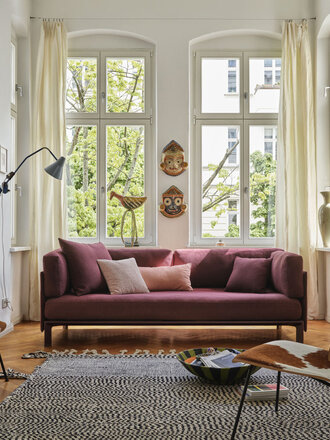
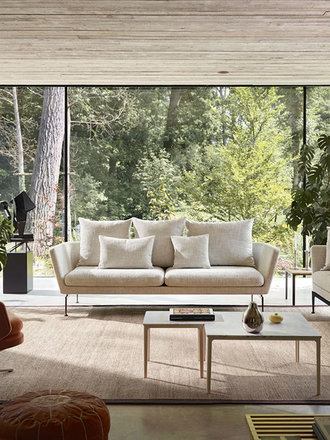
The Suita sofa system combines light and slender volumes with an industrial and technological aesthetic. The geometrically precise body and cushions seem to float above the sleek, bridge-like aluminium legs, in what can be seen as a tribute to mid-century
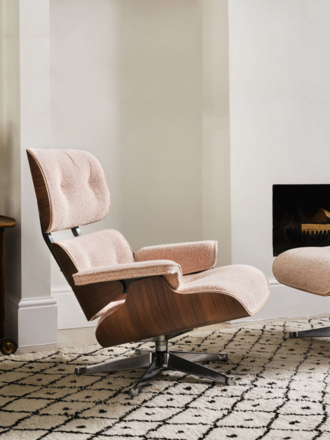
Charles Eames initiated the development of the Lounge Chair, a process that took several years. The aim was to satisfy the desire for an amply proportioned chair that combined ultimate comfort with the highest quality materials and craftsmanship.
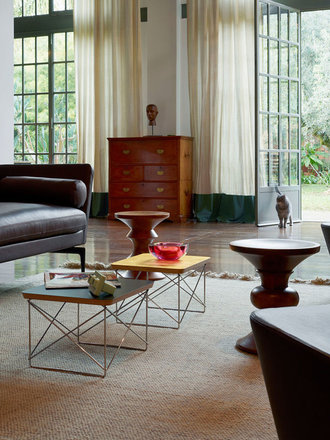
The ETR Table by Charles and Ray Eames, often called the “surfboard table,” features an elliptical top and wire base. Elegant, timeless, and versatile in design.
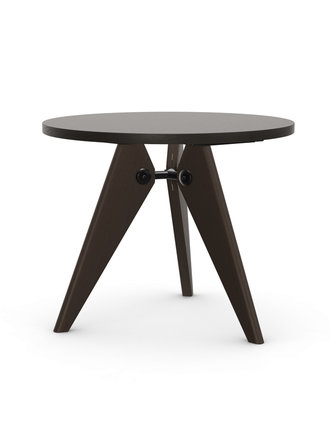
The wooden table Guéridon, which was produced by the designer and engineer Jean Prouvé for the University of Paris, is a convincing demonstration of clear structural principles.
Anagram is more than just a sofa: it is a family made up of a few modules and elements that can be used to quickly respond to the needs of the moment as well as major life changes.
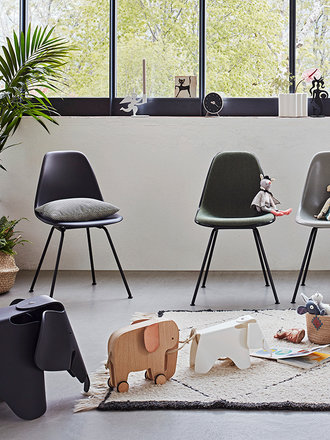
The HAL RE Tube chair is designed with a classic, unassuming four-legged base and a flexible shell made of recycled plastic offering excellent comfort. It is perfectly at home in a wide variety of settings.
Designed by Dorothee Becker, Uten.Silo (1969/70) brings order to offices, kitchens, workshops, bathrooms and children's rooms. It is available in two different sizes and three colour options: white, black or red.
Reminiscent of the rudder of an aircraft or ship, the streamlined shape of the two wall brackets of the Rayonnage Mural bookcase (1936) is a recurring element in Prouvé's creative oeuvre.
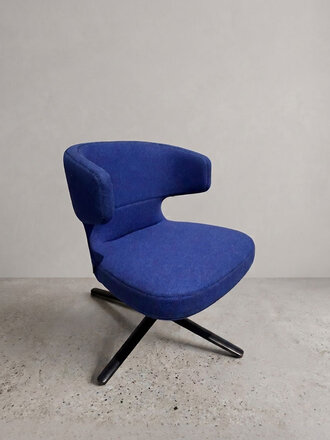
Petit Repos adds a low lounge chair to the family of chairs by Antonio Citterio. Like the Grand Repos and Repos lounge chairs, it is distinguished by its high-quality materials, outstanding comfort and contemporary design.
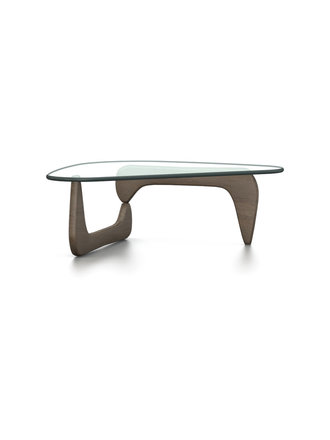
In creating his design for the Coffee Table, Isamu Noguchi translated the biomorphic aesthetic of his sculptural works into a piece of furniture with distinctive organic forms.
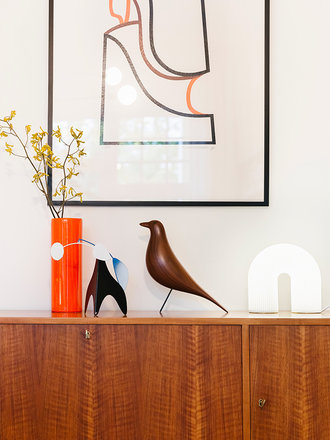
Charles and Ray Eames enriched the collage-like interior of their private home, the Eames House, with numerous objects and accessories that they brought back from their travels. For over fifty years, the figure of a wooden bird has stood in the centre of

Reminiscent of the rudder of an aircraft or ship, the streamlined shape of the two wall brackets of the Rayonnage Mural bookcase (1936) is a recurring element in Prouvé's creative oeuvre.
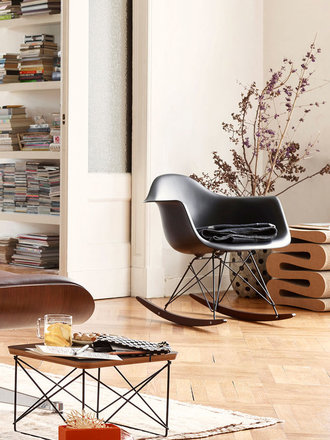
Charles and Ray Eames designed the small, sturdy occasional table LTR (Low Table Rod Base) in 1950 and later used it in their own residence, the famed Eames House, in a variety of different ways.
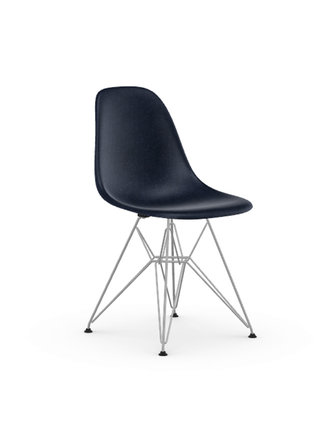
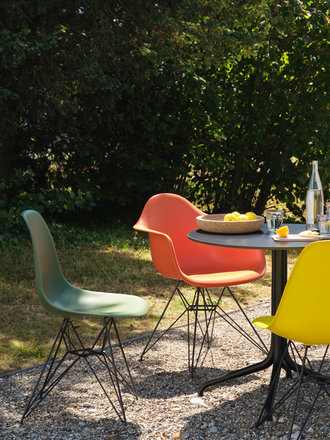
With the 2019 update, colour now links the Eames Plastic Chairs and Eames Fiberglass Chairs that have long belonged together. An extensive process of research led to the creation in which the two groups of chairs reaffirm their affinity with one another.
De Nelson Bench is gemaakt van essenhout en combineert de natuurlijke kleur van de zitting met de zwarte afwerking van het onderstel. De strakke, lineaire vorm benadrukt de architecturale achtergrond van de ontwerper, George Nelson. Het ontwerp kan gebrui
The robust members of the Cork Family stand firmly, making them suited for use as side tables or stools. They benefit from the advantageous natural properties of cork: comparatively lightweight and extremely durable, they also have a velvety surface that
Jean Prouvé designed the Lampe de Bureau (1930), a small table lamp made of sheet steel, for the halls of residence at the Cité Universitaire in Nancy.
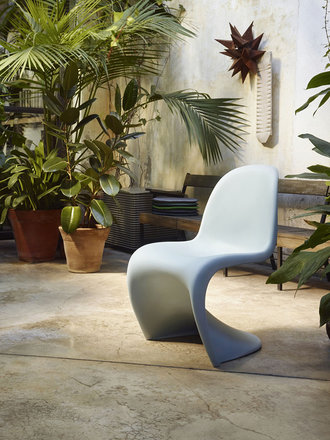
Conceived by Verner Panton in 1959, the Panton chair was developed for serial production in collaboration with Vitra. Today, the all-plastic chair is an icon of twentieth-century design. It has received numerous international design awards.
Abat-Jour Conique is the first lampshade designed for Potence by Prouvé in 1947 and is intended for use with the Potence and Petite Potence lamps. It is simply fitted over the light bulb and can be removed again when needed.